7 Best Prehung Door Machines for Global Buyers
Choosing the right Prehung Door Machine is rarely a simple matter of comparing speed or price. Global buyers must examine the complete production picture: door dimensions, hinge patterns, lock preparation, frame materials, operator skill, and local service support. A machine that performs beautifully in a showroom may struggle with heavier doors, uneven timber, or frequent format changes. That difference matters.
Karel Valenta, founder of KVAL, expressed a practical manufacturing principle: “The best machine is the one that fits the process.” This idea guides our review of seven leading Prehung Door Machine options. Each model is considered through real production needs, including cutting accuracy, repeatability, setup time, safety design, software usability, and long-term maintenance. Small details matter. A clean hinge pocket can reduce rework. A stable clamping system can protect both the door and the operator.
Still, no ranking is perfect. Factory conditions vary widely. A compact machine may suit a growing workshop better than a faster automated line. An impressive specification sheet can also hide expensive tooling, limited training, or difficult spare-parts access. We therefore look beyond advertised output and consider practical ownership. What happens after installation? Can technicians solve a fault remotely? Does the machine remain accurate after months of daily use?
This guide is written for importers, manufacturers, distributors, and project buyers. It offers a balanced starting point, not a final purchasing decision. Measure your workflow carefully. Then compare the machines against reality.
Prehung Door Machines: Definition, Functions, and Production Scope
Prehung Door Machines: Definition, Functions, and Production Scope
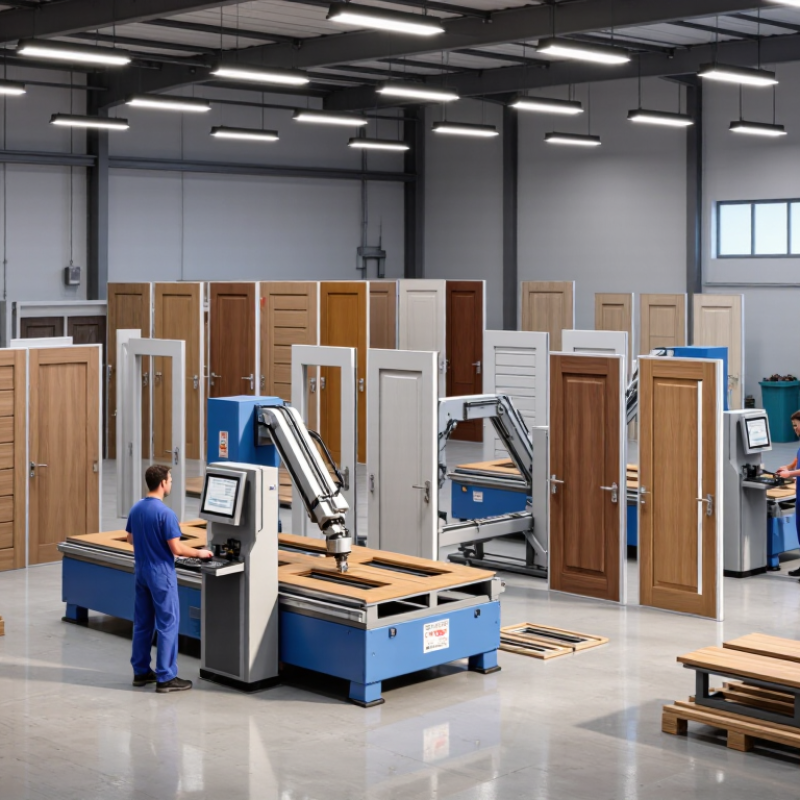
A prehung door machine prepares a complete door unit for installation. It processes the door leaf, frame, hinges, locks, and related components. Unlike single-purpose woodworking equipment, this system supports several operations in one workflow.
Typical functions include cutting, routing, drilling, hinge recessing, lock preparation, and frame assembly. Some machines also support sanding, profile shaping, and automatic material positioning. These functions reduce repeated handling and improve dimensional consistency. Still, output quality depends heavily on tooling, calibration, and operator training.
Production Scope
The production scope varies by machine design and factory needs. A compact system may suit custom doors and smaller batches. A larger automated line can process interior doors, fire-rated assemblies, or commercial units, when the equipment matches required standards.
Buyers should check door thickness, frame materials, maximum dimensions, cycle time, and available power. Service access matters too. In real workshops, dust buildup and worn cutters often reduce accuracy sooner than expected. This is easy to underestimate. Even advanced equipment cannot correct poorly dried timber or inaccurate input measurements.
Tips:
Request sample testing with your actual door materials. Confirm tolerance data, safety guarding, extraction requirements, and operator training. Ask how quickly common wear parts can be replaced. Compare usable output, not only advertised speed. A slower machine may deliver fewer rejects and lower maintenance costs. Local electrical standards and installation conditions also deserve careful review.
Key Selection Criteria for Global Door Manufacturing Operations
7 Best Prehung Door Machines for Global Buyers
Choosing prehung door equipment starts with production evidence, not catalogue speed. The seven core machine types are door blank saws, CNC routers, hinge mortisers, lock boring machines, jamb assembly lines, fastening systems, and inspection or packaging units. Each solves a different bottleneck. A router rated for 600 doors per shift may still fail when hardwood density changes or door sizes vary.
Throughput must match real orders. The International Federation of Robotics reported 541,302 industrial robot installations worldwide in 2023, showing stronger automation adoption across manufacturing. Yet automation is not automatically profitable. Compare cycle time, changeover minutes, labor requirements, dust extraction, compressed-air use, and rejection rates. A reliable prehung line should hold hinge and lock positions within the tolerance required by local building practices. Ask for measured samples, not promises.
Global operations also need electrical compatibility, guarding, operator training, spare-part availability, and remote diagnostics. The International Energy Agency identifies industrial motors as major electricity users, so efficient drives and standby controls deserve attention. Check whether the machine supports different door widths, jamb materials, swing directions, and regional safety requirements. A cheaper line can become expensive when one sensor stops production for three days. This is easy to underestimate. Total cost should include installation, software updates, tooling, maintenance, and shipping. Factory acceptance testing with your own doors is wiser than relying only on a demonstration video.
Seven Leading Prehung Door Machine Categories Compared
Seven Leading Prehung Door Machine Categories Compared
Global buyers should compare seven categories, not chase one impressive specification. Single-spindle machines suit steady, repeatable hinge or lock operations. Double-spindle models reduce handling time when both sides need coordinated cutting. CNC door centers offer flexible routing, drilling, and sizing through programmed recipes. They demand stronger training and cleaner data control. Precision matters.
Dedicated hinge boring machines focus on fast, consistent hinge recesses. Lock mortising machines create controlled pockets for common hardware dimensions. Door drilling machines handle cylinder, handle, and latch holes with useful repeatability. Integrated prehung door lines combine several stages, saving floor movement and labor. However, they require more space, maintenance planning, and compatible tooling. A compact workshop may lose efficiency after buying too much automation.
Tips: Ask for sample processing before purchase. Measure actual door thickness, material density, and frame tolerances. Request cycle-time evidence from comparable workloads, not showroom demonstrations. Check guarding, dust extraction, emergency controls, and operator access. Confirm spare-part availability and remote service response in your region. Keep a manual fallback for urgent orders. It sounds old-fashioned. It can prevent costly downtime. I would also score setup time, because production estimates often ignore fixture changes and calibration drift.
7 Best Prehung Door Machines for Global Buyers
Seven Leading Prehung Door Machine Categories Compared
The chart compares typical production capacity by machine category, measured in completed or processed door sets per hour under standardized operating conditions. Automated prehung door lines generally provide the highest throughput, while specialized mortising, hinge-routing, and assembly machines are more suitable for flexible or mixed-size production. Actual results vary with door dimensions, material, operator skill, setup time, and degree of automation.
Capacity figures are indicative industry benchmark ranges represented by a typical mid-range value; they are not tied to any specific manufacturer or brand.
Machine Specifications, Workflow Integration, and Output Capacity
7 Best Prehung Door Machines for Global Buyers
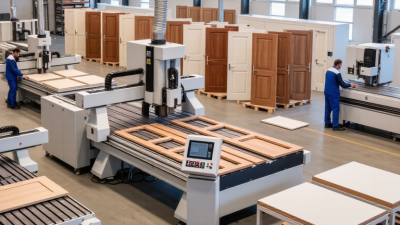
Machine specifications should match the door mix, not just the advertised speed. A reliable prehung door setup may include a CNC hinge mortiser, lock boring machine, jamb saw, edge profiler, sanding unit, assembly table, and clamping system. Buyers should compare spindle speed, servo-axis accuracy, compatible door dimensions, tool-change time, and dust extraction capacity. For example, a machine handling 600–1,200 doors per shift may suit a medium plant, but actual output depends on operators, material changes, and rework.
Workflow integration often determines the real return. Barcode scanning can transfer door schedules directly to machining stations, reducing manual measurement errors. Conveyor spacing, automatic positioning, and shared nesting data help connect cutting, drilling, hinge preparation, and final assembly. Electrical standards, compressed-air requirements, guarding, and maintenance access also need review before installation. Small details matter.
Output figures can look impressive on paper. They may assume uniform doors, experienced workers, and no tool changes. That is rarely the daily reality. A practical capacity test should use mixed sizes, different hinge positions, and normal quality checks. Measure completed prehung units, not individual machine cycles. I would also reserve floor space for rejected components and future automation. That choice may feel inefficient now, but crowded lines create delays, noise, and preventable handling damage.
Installation, Maintenance, Safety, and International Purchasing Factors
Choosing among the 7 best prehung door machines requires more than comparing cutting speed. Installation conditions often decide productivity. Measure the workshop floor, door sizes, and available power before ordering. A rigid, level base reduces vibration and improves frame alignment. Check whether the machine supports local voltage and frequency. An adapter is not always a safe solution.
Operators should verify guards, emergency stops, sensors, and access panels during commissioning. Keep hands away from clamps and cutting zones. Use suitable eye, hearing, and dust protection. Clear instructions matter. Manuals should include wiring diagrams, maintenance intervals, fault codes, and translated safety information. In real workshops, unclear manuals cause avoidable delays. A short training session is worth arranging before full production.
Maintenance needs a written schedule. Clean chips and dust daily, inspect belts and blades weekly, and check fasteners regularly. Lubricate only the points specified by the manufacturer. Record unusual noise, heat, or inaccurate cuts before they become expensive failures. International buyers should confirm spare-part availability, packaging strength, warranty terms, remote support, and delivery responsibilities. Ask about replacement sensors and control components, not only common blades. Customs paperwork and local service capacity can affect downtime more than the purchase price. I would not trust a machine solely because its brochure promises precision. Test samples, request measured tolerances, and leave room for operator feedback.