2026 Best Rubber Mixing Mill Features and Buying Guide?
In the world of rubber manufacturing, the "9 Rubber Mixing Mill" stands as a pivotal machine. According to Dr. Emily Johnson, an expert in rubber technology, "The quality of your mixing mill can make or break your production." This statement highlights the significance of choosing the right equipment.
When considering the 2026 Best Rubber Mixing Mill Features, understanding key aspects becomes crucial. Durability, efficiency, and user-friendliness should be at the forefront of every buyer's mind. The market is crowded, but not all products deliver consistent performance.
Moreover, while many mills offer similar features, not all are created equal. Buyers often face challenges in distinguishing between high and low-quality machines. Many overlook essential details that lead to poor decision-making. The right mill can significantly impact the final product quality. Careful consideration is necessary to avoid costly errors. Engaging with industry experts and reviewing product specifications can guide this journey.
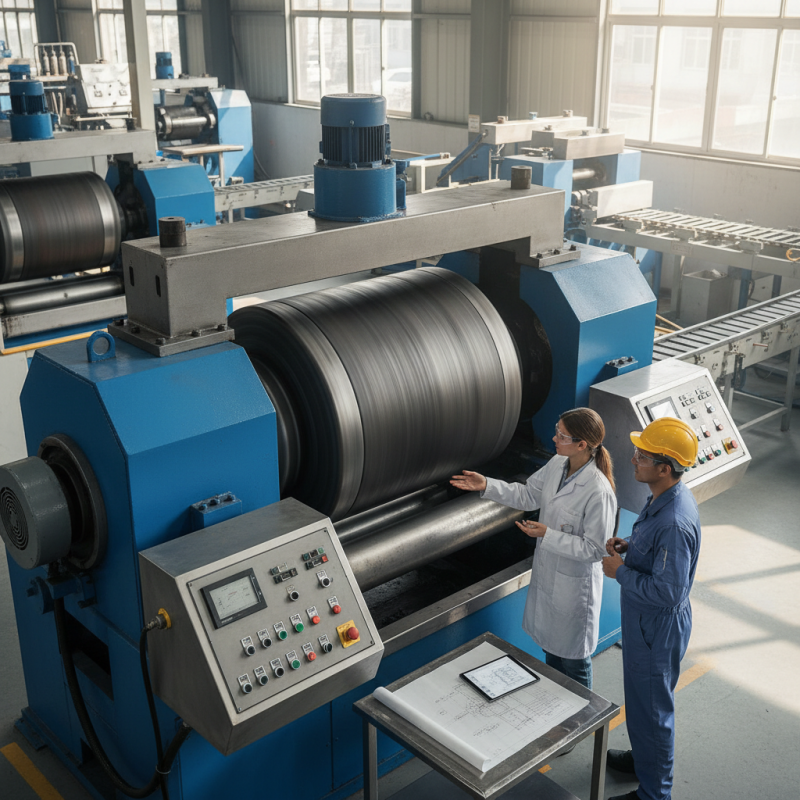
Understanding Rubber Mixing Mills: Key Features and Functions
Rubber mixing mills play a crucial role in the rubber manufacturing process. They are designed to blend raw rubber with various additives. This helps achieve the desired consistency and properties. Key features include adjustable roller gaps and temperature control. These features allow users to customize the mixing process according to specific requirements.
The design of rubber mixing mills is often complex. Many factors influence their efficiency, like roller speed and material composition. Users frequently face challenges in selecting the right mill for their needs. It's essential to evaluate the specific requirements of your production process. For example, a mill that fits one application may not suit another.
In practice, some users may overlook maintenance and operational aspects. Regular inspection of parts is vital to ensure longevity. Proper training of operators can also enhance the effectiveness of the mixing process. It's worth reflecting on how these factors impact overall productivity. A small adjustment can lead to significant changes in quality and output.
Types of Rubber Mixing Mills: A Comprehensive Overview
When considering rubber mixing mills, understanding the various types available is crucial. There are typically four main categories: open mills, closed mills, intermixers, and banbury mixers. Each type serves different purposes in rubber processing. According to industry reports, open mills are prevalent for their efficiency in mixing and sheet creation. They allow for better temperature control but can be less efficient than other types in terms of energy consumption.
For those in the market, practical tips include evaluating your specific needs before selection. An open mill may offer quicker processing, but a Banbury mixer might be better for complex formulations. Consider the material type and viscosity when choosing. The right mill can lead to improved product quality and reduced costs.
Many manufacturers aim for decreased energy usage in their mills. However, often overlooked is the maintenance aspect. Regular servicing can enhance performance and lifespan. Keep an eye on wear and tear. It's essential to balance efficiency with reliability when investing in rubber mixing mills.
2026 Best Rubber Mixing Mill Features and Buying Guide
| Feature | Description | Importance | Price Range (USD) |
| Roll Diameter | Size of the rollers used for mixing | Crucial for efficiency and product quality | $10,000 - $25,000 |
| Power Rating | Measured in horsepower, indicates the motor power | Directly impacts production speed | $5,000 - $15,000 |
| Mixing Type | Batch or continuous mixing options | Affects throughput and operational efficiency | $7,000 - $22,000 |
| Automation Level | Manual, semi-automated, or fully automated systems | Influences labor costs and operation safety | $8,000 - $30,000 |
| Material Quality | Construction materials of the mill | Crucial for durability and maintenance costs | $9,000 - $20,000 |
| Warranty Options | Length and coverage of warranty | Essential for risk management in investments | Included in the overall price |
Factors to Consider When Buying a Rubber Mixing Mill
When buying a rubber mixing mill, factors play a crucial role. Consider the size of the mill. Larger mills can handle more material but may require more space. Assess the power of the machine. A powerful mill improves efficiency but consumes more energy. Think about the type of rubber you will be processing. Different materials might need different mixing mills.
The design of the mixing mill is important too. Look for features like adjustable roll gaps and speed controls. These elements allow for better customization of the mixing process. Don't overlook safety features. Good mills should have emergency stops and protective guards. Check user reviews, as they can reveal hidden issues.
Cost is another essential factor. A higher price doesn't always guarantee better quality. Sometimes, cheaper options perform just as well. Reflect on your specific needs. Do you have space constraints? Will you scale up production in the future? These questions guide your decision. Make a list of priorities before you buy. It helps avoid impulsive choices.
Essential Maintenance Tips for Rubber Mixing Mills
Proper maintenance of rubber mixing mills is crucial for optimal performance. Regularly check the machine’s temperature. Overheating can lead to material degradation. Lubrication is essential. Use the recommended oils to keep moving parts smooth. Skip this step, and you may face friction issues.
Also, inspect the rollers frequently. Look for signs of wear and tear. Dents or scratches can affect mixing efficiency. Tighten all bolts and screws periodically. Loose parts might lead to unexpected breakdowns. Address minor issues before they escalate.
Cleaning the machines is often overlooked. Dust and debris can contaminate the rubber mix. Schedule routine cleanings to maintain hygiene. Neglecting cleanliness will impact the end product. Staff training on proper usage is vital. Misuse can lead to accidents or machine damage. Regular maintenance checks prolong the life of rubber mixing mills. It saves money and improves production quality.
2026 Rubber Mixing Mill Features Comparison
Comparing Top Brands in the Rubber Mixing Mill Market
When exploring the rubber mixing mill market, understanding the features of top brands is essential. Different models offer unique functionalities and specifications. Searching for mills with reliable performance is crucial. Features to consider include mixing efficiency, durability, and control systems. For instance, some mills provide advanced automation. This can simplify operations significantly.
However, not all brands meet quality expectations. Some may claim superior performance but fail under heavy usage. User reviews often highlight these inconsistencies. It's helpful to read about real-world experiences. Additionally, examining the after-sales support of brands is important. Poor customer service can lead to challenges down the road.
When comparing brands, pay attention to specifications. Some may focus on energy efficiency while others highlight output capacity. It's essential to align these features with your production needs. Determining the right balance can be tricky. Always consider factors like maintenance costs and warranty options. These details can significantly impact your long-term satisfaction with the equipment.