
What Is the Best Used Prehung Door Machinery from China?
Choosing the best Used Prehung Door Machinery from China requires more than comparing prices online. It demands careful attention to production history, machine condition, technical support, and replacement parts. A low-cost machine may appear attractive, yet hidden wear can quickly affect door alignment, cutting accuracy, and daily output.
Liu Wei, a machinery consultant with more than fifteen years of factory inspection experience, says, “A used machine is valuable only when its history is measurable.” This principle guides our evaluation. Buyers should request operating videos, maintenance records, serial numbers, electrical specifications, and clear photographs of critical components. Pay close attention to the frame assembly station, hinge-routing unit, lock-boring system, conveyors, and control cabinet. Small details matter. A worn spindle can create visible defects across hundreds of doors.
This guide examines practical options for manufacturers seeking Used Prehung Door Machinery from China. It considers machine age, previous workload, automation level, compatibility with local power systems, and the availability of trained technicians. It also discusses inspection before payment and testing after installation. These steps reduce uncertainty, although they cannot remove every risk. Even experienced buyers may overlook corrosion inside a cabinet or outdated control software. That is the uncomfortable part.
The best choice is not always the newest machine or the cheapest offer. It is the equipment that matches your door sizes, labor capacity, maintenance skills, and expected production volume. Careful evidence should replace optimistic promises.
What Is Used Prehung Door Machinery?
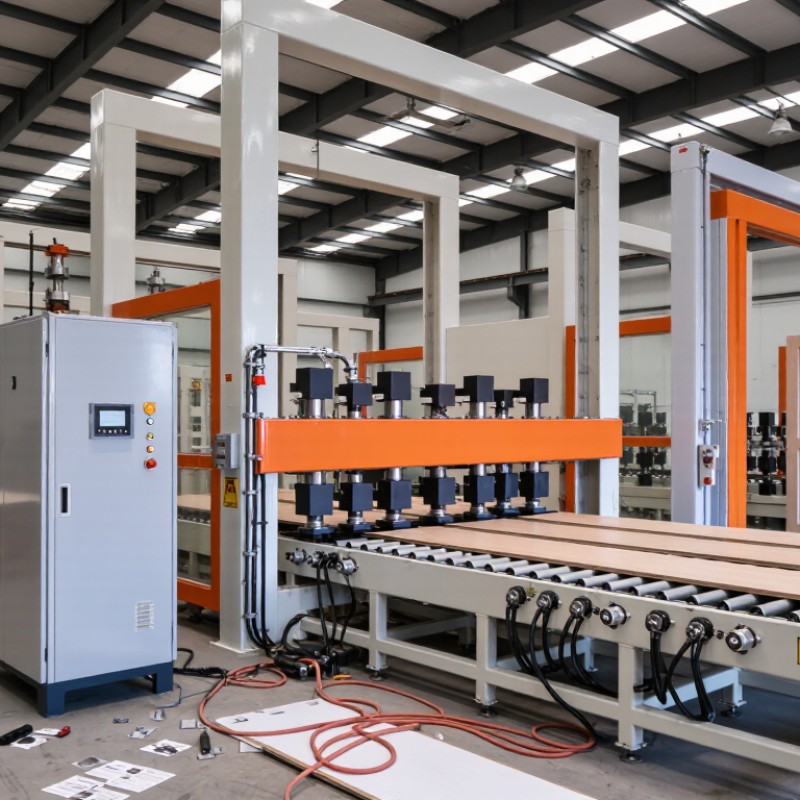
Used prehung door machinery is equipment that has already operated in a factory and is being sold again. It may include hinge mortising machines, lock boring units, door edge profilers, frame assembly stations, and drilling equipment. These machines help prepare a door slab and frame as one coordinated set. That is the meaning of “prehung” in production.
A used machine from China can offer lower purchase costs and faster availability. However, its value depends on condition, not age alone. During an inspection, check spindle movement, guide rails, electrical cabinets, pneumatic cylinders, and safety guards. Ask for running videos with real door materials. Request maintenance records, machine dimensions, power requirements, and replacement-part details. Small details matter.
Look closely at the finished sample. Are hinge pockets clean? Does the lock bore stay centered? Does the frame meet the slab without uneven gaps? These checks reveal more than polished photographs. In my experience, worn linear bearings often cause hidden accuracy problems. A seller may describe a machine as “refurbished,” but that word needs evidence. New wiring, tested sensors, and calibrated tools should be documented.
The best used prehung door machinery from China is not automatically the newest-looking option. It should match your door sizes, production volume, labor skills, and local electrical standards. Remote buying is possible, though imperfect. A third-party inspection can expose missing guards, unusual noise, or improvised repairs before shipment. Expect some uncertainty, and price the risk honestly.
Which Chinese Manufacturers Offer Reliable Used Equipment?
The most reliable Chinese manufacturers of used prehung door machinery are usually established factories with in-house refurbishment teams. They understand door production, not only machine trading. Look for suppliers that rebuild frame saws, hinge routers, lock bore machines, and assembly lines themselves. Their technicians should provide inspection records, replacement-part lists, and test videos showing real production.
Ask how the manufacturer checks spindle runout, cutting accuracy, pneumatic pressure, and control-panel response. A dependable supplier can explain these details clearly. Request measurements from a recent machine, such as a 0.5 mm cutting tolerance or stable cycle times across several doors. Photos are useful, but live video is better. The machine should process your door sizes, materials, and hinge specifications before shipment.
I prefer manufacturers that offer installation guidance and spare parts for at least one year. That support matters when a sensor fails during a busy shift. My own equipment checks have sometimes focused too much on appearance. That was a mistake. Fresh paint can hide vibration, worn bearings, or an outdated controller. Ask for a running test with your sample drawings. Also check electrical standards, manuals, packaging, and remote troubleshooting ability. Smaller Chinese factories may offer stronger customization, but their documentation can be uneven. Reliable suppliers admit these limits and provide practical corrections. Fast promises deserve careful questions.
What Is the Best Used Prehung Door Machinery from China? - Which Chinese Manufacturers Offer Reliable Used Equipment?
The table below summarizes common used prehung door machinery categories available from Chinese industrial equipment suppliers. Technical specifications and prices are indicative used-market ranges and should be verified against the individual machine, year, configuration, and inspection report.
| Equipment Category | Typical Function | Common Used Specification | Indicative Capacity | Typical Used-Market Range | Key Reliability Checks | Suitability for Prehung Door Production |
|---|---|---|---|---|---|---|
| CNC Door Lock and Hinge Machine | Cuts lock pockets, hinge recesses, faceplate openings, and related door-edge details. | Working length approximately 2,000–2,500 mm; pneumatic or servo-controlled tooling; spindle speed commonly 18,000–24,000 rpm. | Approximately 80–180 doors per 8-hour shift, depending on tooling and door design. | Approximately US$8,000–US$28,000. | Inspect spindle noise, guide-rail wear, tool-holder accuracy, pneumatic leaks, software compatibility, and repeatability of lock and hinge positions. | High for mixed door sizes and repeatable hardware preparation. |
| Door Edge Profiling and Slotting Machine | Shapes door edges and prepares slots or grooves for seals, latches, and frame-related components. | Compatible with wood, engineered wood, or composite door leaves; adjustable cutter heads; dust extraction connection normally required. | Approximately 60–140 doors per 8-hour shift. | Approximately US$6,000–US$20,000. | Check cutter runout, feed rollers, fence alignment, electrical cabinet condition, emergency stops, and the availability of replacement cutters. | High when consistent edge profiles and seal grooves are required. |
| Door Frame Cutting and Tenoning Line | Cuts jamb components to length and produces tenons, rebates, or other frame joints. | Cutting length commonly up to 2,500–3,000 mm; multiple saw or milling stations; automatic or semi-automatic feeding. | Approximately 100–300 frame components per shift, depending on joint design. | Approximately US$12,000–US$45,000. | Verify saw-blade alignment, joint tolerances, conveyor condition, servo positioning, hydraulic or pneumatic pressure, and control-system operation. | High for factories producing standardized frame profiles in volume. |
| Door Jamb Assembly and Clamping Machine | Squares, aligns, and clamps jamb members before fastening or final assembly. | Frame width commonly adjustable from approximately 600–1,500 mm; pneumatic clamping; manual or automatic fastening options. | Approximately 30–100 prehung frame assemblies per shift. | Approximately US$4,000–US$16,000. | Check squareness, clamp pressure consistency, cylinder seals, frame-size adjustment, fastening accuracy, and worktable flatness. | Medium to High for reducing manual alignment labor. |
| Door Hinge and Hardware Installation Machine | Positions and installs hinges, strike plates, locksets, or selected prehung-door hardware. | Supports two- or three-hinge layouts; pneumatic screwdrivers or drilling units; adjustable hardware templates. | Approximately 40–120 doors per shift. | Approximately US$5,000–US$22,000. | Test hole-position accuracy, screwdriver torque, template wear, sensor function, air consumption, and compatibility with local hardware sizes. | High for repeatable hardware placement on standard door programs. |
| Door and Frame Sanding Machine | Calibrates and smooths door leaves, jambs, edges, and assembled frame surfaces. | Working width commonly 1,000–1,300 mm; one or more sanding heads; abrasive belt or brush configuration. | Approximately 200–600 linear meters per shift, depending on material and finish requirements. | Approximately US$10,000–US$35,000. | Inspect sanding-belt tracking, pressure rollers, thickness calibration, dust extraction, motor bearings, and surface uniformity. | Medium unless surface preparation is part of the prehung-door workflow. |
| Door Painting or Spray-Finishing System | Applies primer, paint, lacquer, or protective coating to door leaves and frame parts. | Manual spray booth or reciprocating system; conveyor speed commonly 3–15 m/min; filtration and ventilation required. | Approximately 100–500 door faces per shift, depending on coating and curing time. | Approximately US$8,000–US$40,000. | Check booth airflow, filters, pumps, spray guns, conveyor wear, coating thickness, fire-safety controls, and compliance with local regulations. | Medium because installation and environmental compliance can affect total cost. |
| Automatic Door Packaging Line | Protects finished prehung doors with foam, cardboard, film, corner protection, or pallets. | Adjustable product length and width; roller conveyor; stretch-wrapping, strapping, or carton-sealing modules. | Approximately 30–120 packaged units per shift. | Approximately US$5,000–US$25,000. | Check film-tension control, sensors, conveyor alignment, sealing temperature, pneumatic systems, and suitability for the actual door package dimensions. | High for reducing handling damage during storage and shipment. |
What Features Should Buyers Evaluate Before Purchasing?
What Is the Best Used Prehung Door Machinery from China?
Before purchasing, buyers should inspect performance, not just the machine’s age. A reliable prehung door line should maintain frame accuracy within the tolerance required by your local production standard. Check hinge routing, lock preparation, drilling depth, feed alignment, and clamping pressure. A practical test should use your own door materials, including hardwood, composite panels, and different frame thicknesses. Ask for service records, operating hours, electrical diagrams, and replacement-part lists. Missing documents are a warning sign.
The 2024 Woodworking Machinery Market analysis by Mordor Intelligence identifies automation, labor reduction, and production consistency as major purchasing factors. These points matter more with used equipment. Review the controller’s condition, sensor response, pneumatic leaks, emergency stops, and software language. Energy use also deserves attention. The International Energy Agency reports that industrial motor systems can represent a substantial share of factory electricity demand, so an inefficient machine may erase its lower purchase price. That is easy to underestimate.
Tips: Measure twice. Test everything. Bring a technician, if possible. Compare actual cycle time with the seller’s claims. Check whether tooling is standard and locally available. Confirm voltage, air pressure, floor space, and shipping protection before payment. I would also leave a repair budget. Even a clean machine may hide worn bearings, tired cylinders, or inaccurate guides. Buyers sometimes focus too heavily on appearance. That mistake can become expensive.
How to Inspect, Ship, and Install the Machinery
What Is the Best Used Prehung Door Machinery from China?
The best used prehung door machinery is not always the cheapest unit. Inspect its working history, not only its appearance. Ask for production records, maintenance logs, electrical diagrams, and recent videos. Check the frame station, hinge router, drilling unit, conveyor, and clamping system under load. Measure spindle runout and verify cutting accuracy on your own door samples. Test emergency stops, guards, sensors, and grounding. ISO 12100 and IEC 60204-1 provide useful safety references, even when local rules differ. I would not trust a fresh coat of paint.
Shipping requires careful preparation. UNCTAD’s Review of Maritime Transport reports that over 80% of global merchandise trade by volume moves by sea. Salt air and condensation can damage exposed rails, motors, and control cabinets. Request drained systems, locked moving parts, sealed electrical cabinets, desiccant bags, and a moisture barrier. Photograph every crate before loading. The World Bank’s 2023 Logistics Performance Index covered 139 economies, showing why tracking and customs documentation matter. Confirm crate dimensions, gross weight, lifting points, insurance, and import paperwork before payment. Small omissions become expensive delays.
Installation begins with a level foundation and stable power. Confirm voltage, phase, air pressure, extraction, and network access before the machine arrives. Level each module, align conveyors, and run a dry cycle without material. Then produce several doors using approved profiles. Check squareness, hinge position, cycle time, noise, and waste. A remote commissioning session helps, but it cannot replace local measurement. One uncomfortable lesson remains: supplier drawings may be incomplete. Build time for corrections, spare sensors, and operator training into the plan.
How to Maintain Used Prehung Door Production Equipment
Used prehung door machinery from China can deliver reliable output when its maintenance history is clear. However, age matters more than origin. Maintenance begins with a consistent inspection routine. Each shift, remove sawdust from cutting tables, guides, clamps, and sensors. Keep the area dry. Check belts, chains, and fasteners for looseness or unusual vibration. Inspect blades and cutters for chips, heat marks, or uneven wear. Record these findings in a simple maintenance log. Small records prevent expensive surprises.
Weekly care should include lubrication, air-system checks, and alignment tests. Lubricate only the points listed in the original manual. Excess grease attracts dust. Drain moisture from the air filter and confirm stable pressure before production. Inspect pneumatic hoses for cracks and listen for slow leaks. Check electrical cabinets for dust, loose connections, or moisture, using qualified maintenance personnel. Never bypass safety switches. Used equipment often has altered settings from previous owners, so verify every limit and sensor. I once trusted a clean-looking machine without checking its clamp alignment. That mistake caused uneven door gaps and wasted several panels. Set a replacement schedule for blades, filters, and worn rollers, even when they still appear usable. Careful records, proper training, and honest inspection keep prehung door production steady.
Preventive maintenance for used prehung door production equipment is typically organized by operating frequency. Daily cleaning and inspection take the least time, while quarterly alignment, lubrication, and electrical checks require more planned downtime. Following this schedule helps maintain cutting accuracy, reduce unplanned stoppages, and extend equipment service life.
Related Posts
-
7 Reasons Door Hanging Machines Boost Manufacturing Efficiency by 25 Percent
-
5 Essential Features to Look for in the Best Door Hanging Machine
-

Maximizing After Sales Support and Maintenance Costs for Best Door Lite Cut Out Machines of Tomorrow
-
7 Tips for Choosing Door Manufacturing Machines?
-
How to Choose Interior Door Machines for Global Buyers?
-
2026 Top Door Machine Innovations Transforming the Industry?
