How to Buy Used Door Shop Equipment in 2026?
Buying Used Door Shop Equipment in 2026 can reduce startup costs, but cheap listings often hide expensive delays. A used door press, edge bander, CNC router, or dust collector may look productive in photos. Its real condition appears under load, not beside a warehouse wall. This guide explains how to assess Used Door Shop Equipment through practical checks, documented questions, and realistic budgeting. It is written for small manufacturers, joinery businesses, and workshop owners who need reliable output. Not guesswork.
Experienced buyers inspect frames, motors, bearings, control panels, guarding, and emergency stops before discussing price. They request serial numbers, service invoices, operating videos, and clear photographs of wear points. A test cut or trial cycle can reveal vibration, uneven pressure, software faults, and missing accessories. Ask whether replacement parts remain available in 2026, especially for older imported machines. Freight, installation, electrical work, tooling, training, and disposal fees can change the final cost sharply. I would not trust a low price without a written condition report. Even careful advice has limits; machine history may be incomplete, and a seller may misunderstand its faults. That is why independent inspection matters. Compare the equipment with your door sizes, materials, production volume, and safety procedures. Reliable decisions come from evidence, not urgency. Leave room for repair. Good equipment should support consistent work, protect operators, and earn its place in the shop.
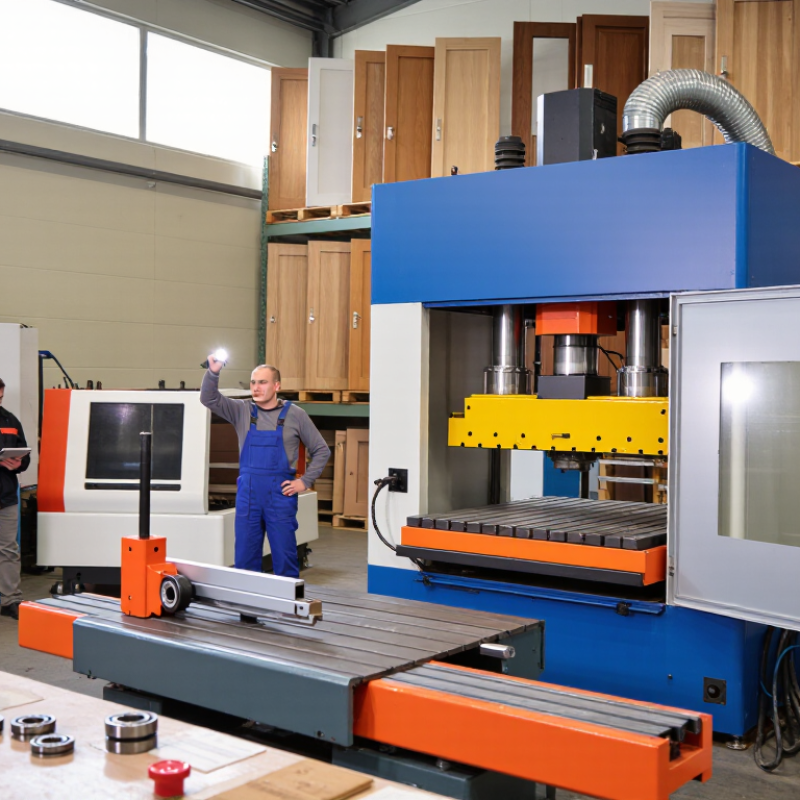
Define Your Used Door Shop Equipment Needs and Budget
How to Buy Used Door Shop Equipment in 2026?
Define Your Used Door Shop Equipment Needs and Budget
A realistic equipment plan starts with your daily door volume, not an attractive listing.
Record door materials, maximum dimensions, cutting accuracy, and expected production hours. Include saws, edge machines, drilling systems, assembly tables, dust extraction, compressors, and measuring tools.
The U.S. Census Bureau reported approximately $2.15 trillion in U.S. construction spending during 2024. That figure signals demand, but it does not justify buying oversized machinery.
Separate essential capacity from convenient upgrades.
A small workshop may need reliable cutting and drilling equipment before automated handling systems. Check electrical requirements, floor space, noise limits, maintenance access, and operator training.
Deloitte’s 2024 Smart Manufacturing and Operations Survey found that 92% of manufacturers viewed smart manufacturing as important for future competitiveness. However, digital features cannot repair poor workflow design.
Build a landed-cost budget.
Add the purchase price, inspection, freight, unloading, installation, tooling, software, spare parts, and initial repairs.
Reserve 15% to 20% for uncertainty.
My early estimates were too optimistic because freight and electrical work were easy to overlook. That mistake is common. Ask for service records, operating hours, safety guards, manuals, and a live test using your own door components. Compare measured output with your target.
A cheap machine that misses tolerances can consume the budget through rework.
Used equipment should support your process, not force your process to change.
Research Equipment Types, Brands, and Market Prices
How to Buy Used Door Shop Equipment in 2026?
Buying used door shop equipment requires more than comparing photos and asking for the lowest price. Identify your production needs first. A small workshop may need a panel saw, edge bander, sanding machine, and reliable dust collector. A custom door producer may also require a CNC router, mortising machine, or finishing system. Match each machine with your door materials, available floor space, electrical supply, and expected daily output.
Research the manufacturer’s service history, parts availability, and technical reputation without relying on advertising claims. Check the model year, operating hours, serial plate, maintenance records, and previous workload. Test motors, guides, controls, emergency stops, and safety guards. Market prices vary widely. Compare dealer listings, auction results, refurbishment quotes, and recent private sales. Include freight, rigging, installation, tooling, repairs, and possible production downtime. A cheap machine can become expensive quickly. I have seen buyers underestimate installation costs.
Tips: Request a video showing the equipment running with real materials. Bring a technician when possible. Ask for a written fault report. Compare at least three prices. Leave room for repairs, because used equipment rarely arrives perfect. Recheck compatibility with your existing workflow; this step is easy to overlook. My judgment can still be wrong, so document every assumption before paying.
How to Buy Used Door Shop Equipment in 2026?
Research equipment types, compare used-market prices, and inspect condition, service history, electrical requirements, and included tooling before purchasing.
The chart shows typical 2026 used-market asking-price ranges in USD for common door and woodworking shop equipment. Actual prices can vary according to age, working condition, capacity, location, delivery costs, and included accessories. A documented service history and a successful test run can justify pricing near the upper end of each range.
Inspect, Test, and Verify Used Door Shop Equipment
How to Buy Used Door Shop Equipment in 2026?
Inspect, test, and verify every used machine before discussing price. A clean cabinet can still hide worn bearings, cracked belts, or unstable wiring. Check the serial plate, service records, manuals, and previous repair invoices. Photograph damaged guards and missing covers. According to the U.S. Bureau of Labor Statistics’ 2023 Census, contact with objects and equipment caused 844 fatal workplace injuries. That figure makes guarding and emergency stops more than paperwork.
Test the machine with the materials used in your shop. Run a saw through a standard door blank, measure the cut, and check the edge for burning or drift. For CNC equipment, inspect spindle noise, tool changes, positioning accuracy, and repeatability across several cycles. Verify dust extraction under load, not during an empty demonstration. Short tests can mislead. Ask the seller to operate the machine cold, then inspect it again after heating.
Use a qualified technician for electrical, pneumatic, and hydraulic checks. Compare measured tolerances with the manufacturer’s original specifications or a recognized service manual. OSHA machine-guarding guidance emphasizes preventing access to moving parts, so missing interlocks deserve immediate attention. Review the 2024 industry outlook from the Equipment Leasing and Finance Association when comparing repair costs with replacement financing. I would reject a cheap machine with uncertain history. That decision may feel excessive. It is still cheaper than an unsafe, inaccurate production line.
Evaluate Sellers, Ownership Records, and Purchase Terms
How to Buy Used Door Shop Equipment in 2026?
Buying used door shop equipment in 2026 requires more than comparing prices. Start by examining the seller’s operating history, communication, and technical knowledge. A reliable seller should answer specific questions without pressure. Ask how long the equipment was used and why it is being sold. A clean workshop helps, but it does not prove careful maintenance.
Request ownership records, serial information, service invoices, and recent operating videos. Check whether the documents describe the same machine. If records conflict, pause the purchase. Speak with previous users when possible. Their comments may reveal repeated faults or difficult repairs. I have learned that photographs hide worn rollers, loose wiring, and uneven cutting surfaces.
Ownership records should match the seller’s identity and transfer documents. Check purchase invoices, financing status, and included accessories. Confirm that the equipment can be installed and operated under local requirements. Rules vary by location. Have a qualified technician inspect critical parts before payment. A short video cannot expose every problem.
Write the purchase terms in clear language. List the exact model, condition, included parts, inspection period, and delivery responsibilities. Clarify who pays for repairs if testing reveals defects. Use a traceable payment method and keep every message. Never rely on verbal promises. Leave room for negotiation, but do not sacrifice records for a lower price. Even experienced buyers miss hidden wear. That risk deserves honest wording, not optimism.
Arrange Transport, Installation, and Post-Purchase Support
How to Buy Used Door Shop Equipment in 2026?
Buying used door shop equipment in 2026 requires more than checking the purchase price.
Transport can decide whether the bargain remains practical. Ask for exact length, width, height, weight, and lifting points. Request recent photos of control panels, guards, rollers, and cables.
Measure your workshop entrance twice.
A 20-centimeter mistake can stop delivery.
Before dispatch, agree in writing on loading, unloading, floor protection, and delivery timing. Use a carrier experienced with heavy machinery, not ordinary parcel service. Confirm the truck can reach your site and carry suitable lifting gear.
Protect exposed parts with padding and moisture-resistant wrapping.
Photograph the equipment before loading.
I once underestimated doorway clearance on a similar move. The machine arrived safely, but installation started one day late. That delay was avoidable.
Installation should follow the equipment manual and local electrical requirements.
A qualified technician should check leveling, guarding, emergency stops, air pressure, and wiring. Run test pieces before production. Keep a written acceptance record with measured results.
Post-purchase support matters when a sensor fails after several weeks.
Secure response times, troubleshooting help, spare-part availability, and training before payment. Do not assume used equipment includes these services.
Ask what happens when the first adjustment does not work. Good support may be informal, but it must be reachable and specific.
Leave room for uncertainty; older machines can reveal hidden wear after operation.