How to Choose Auto Parts Bearings for Your Vehicle?
Selecting the right Auto Parts Bearings for your vehicle is crucial for optimal performance. The automotive industry has seen a steady increase in the demand for quality bearings. According to the Global Automotive Bearings Market report, the sector is expected to grow at a CAGR of 6.2% by 2026. This trend highlights the importance of choosing reliable components to ensure longevity and reliability.
Expert Michael Thompson, a leading figure in auto components, once stated, "Quality bearings are the backbone of any vehicle's performance." When choosing Auto Parts Bearings, consider factors like material, size, and type. Each of these aspects impacts efficiency and durability. However, it's easy to overlook these details amidst flashy advertisements and low prices.
Many vehicle owners sometimes rely on generic options. This may lead to premature wear and increased costs in the long run. Reflecting on your choices can help you make informed decisions. Quality should always take precedence over cost-cutting measures. The right Auto Parts Bearings can enhance vehicle performance and safety significantly.
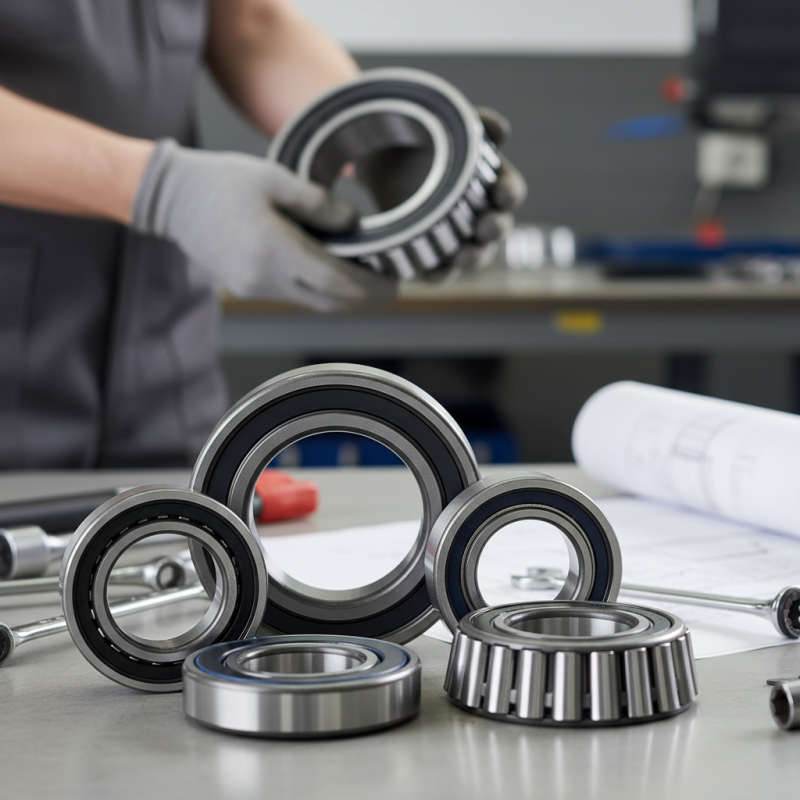
Understanding the Function of Bearings in Automotive Applications
Bearings play a crucial role in automotive applications. They reduce friction between moving parts, enhancing efficiency and longevity. According to a report from the International Organization of Motor Vehicle Manufacturers (OICA), nearly 80% of vehicle issues arise from bearing-related failures. This highlights their importance in vehicle performance.
In vehicles, bearings are present in engines, wheels, and transmissions. They help support heavy loads while allowing smooth rotation. For instance, wheel bearings are essential for proper handling and safety. Regular inspections can prevent unexpected breakdowns. However, many drivers overlook this maintenance. Using low-quality bearings can lead to premature failure, costing more in repairs.
Understanding the function of bearings is essential for any vehicle owner. The right choice can improve performance and safety. While many may assume that all bearings are the same, the materials and design vary significantly. Choosing the wrong type can lead to compatibility issues. It's vital to consider the specific requirements of your vehicle before purchasing.
Types of Bearings Commonly Used in Vehicles
When selecting bearings for your vehicle, understanding the common types is crucial. Ball Bearings are widely used. They provide lower friction and support high rotational speeds. However, they can wear out quickly under heavy loads. Choosing them requires careful consideration of your vehicle's needs.
Another common type is roller bearings. They can handle heavier loads and are more durable than ball bearings. They come in various styles, like cylindrical and tapered. Each type serves specific purposes. However, they may not offer the same speed capabilities as ball bearings.
Thrust bearings are important as well. They support axial loads, which are forces pushing along the shaft. Often used in transmissions, their failure can lead to severe issues. They require lubrication in engines, which can easily be overlooked. Maintenance is key here. Inspecting all types regularly can prevent unexpected breakdowns. Choosing the right bearing is not just about knowing types. It's about understanding how they fit your vehicle’s unique needs.
Key Factors to Consider When Selecting Auto Parts Bearings
Choosing the right auto parts bearings for your vehicle involves several crucial factors. It’s essential to consider the type of bearing required for your specific application. Different vehicles and components may need distinct styles, like ball or roller bearings. Each type has its benefits and drawbacks. Understanding which one suits your vehicle can save you time and money.
Material quality is another vital aspect. Bearings made from high-grade materials can withstand stress better. They tend to last longer, reducing the need for frequent replacements. Look for bearings with corrosion resistance, especially if you operate in harsh conditions. However, they might come at a higher price, so balance your budget with quality needs.
Finally, check compatibility with your vehicle. Not all bearings fit every model. Sometimes, even slight variations can lead to significant issues. It’s wise to double-check specifications before purchasing. You can easily find yourself with the wrong parts if you're not careful. Taking these factors into account can lead to better performance and reliability in your vehicle.
How to Choose Auto Parts Bearings for Your Vehicle? - Key Factors to Consider When Selecting Auto Parts Bearings
| Key Factors | Description | Example Recommendations |
| Material Type | Different materials affect durability and performance. Common choices include steel and ceramics. | Consider high-carbon steel for performance and ceramic for lightweight applications. |
| Size & Fit | Ensure the bearings fit the specific measurements of your vehicle’s components. | Refer to the vehicle manual to find the correct sizes. |
| Load Rating | The bearing must support the weight and stress placed on it during operation. | Look for bearings with the appropriate dynamic and static load ratings. |
| Seal Type | Sealed or shielded bearings can protect against dirt and contamination. | Choose seals which allow for low friction while providing adequate protection. |
| Lubrication | Proper lubrication is crucial for reducing wear and prolonging bearing life. | Select pre-lubricated bearings or consider options for grease fitting. |
| Brand Reputation | Well-established brands typically offer reliable quality and better customer support. | Research reviews and ratings on forums or auto part websites. |
How to Identify the Right Size and Specifications for Bearings
When it comes to choosing auto parts bearings, identifying the right size and specifications is crucial. Measure the inner and outer diameters of your current bearings. Use a caliper for precision. The thickness of the bearing is also vital. Small discrepancies can lead to poor performance or failure.
Tips: Always keep a record of your measurements. This helps when consulting with suppliers. Verify the specifications listed in your vehicle’s manual. It serves as a reliable reference point.
Pay attention to the material of the bearings. Steel, ceramic, and plastic are common choices. Steel bearings are durable but heavier. Ceramic options may improve performance but can be pricier. Plastic ones might not handle heat well. Consider your driving conditions when making a choice.
Tips: Consider your environment. Dusty or wet conditions may necessitate different materials. Don’t hesitate to return items if they don’t fit. Getting the right specifications can save you money in the long run.
Tips for Ensuring the Quality and Reliability of Auto Parts Bearings
Selecting the right auto parts bearings for your vehicle can seem daunting. Quality and reliability are paramount. Data from industry reports indicate that around 30% of vehicle breakdowns stem from inadequate bearing performance. Therefore, understanding how to evaluate these components is crucial.
Start by analyzing the material used in bearings. High-quality steel or ceramics can enhance longevity and performance. Bearings made from inferior materials often fail prematurely. A study reveals that bearings with a quality assurance certificate demonstrate a 20% lower failure rate. Always seek out specifications that comply with industry standards.
Installation plays a vital role too. Improper fitting can cause issues, leading to noise and faster wear. It's estimated that 25% of all bearing failures relate to installation errors. Regular maintenance checks can extend the lifespan of your bearings. Consider visual inspections and routine replacements as part of your vehicle care plan. This proactive approach benefits both performance and safety.
Quality Comparison of Auto Parts Bearings