How to Choose the Best Stainless Steel Eyebolts for Your Needs?
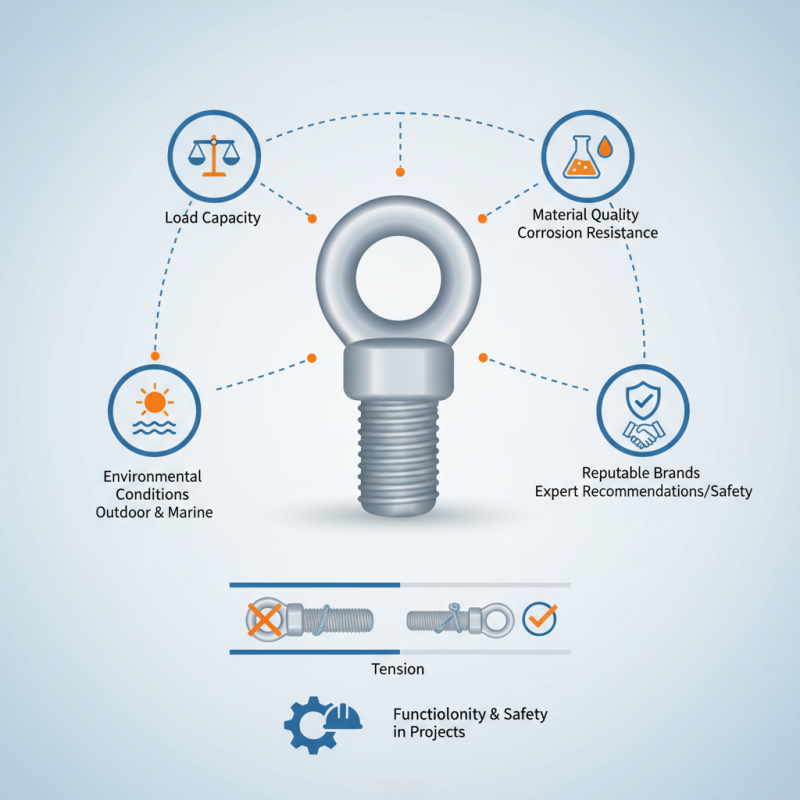
Choosing the right Eyebolts Stainless Steel for your projects can seem daunting. But, understanding the basics can simplify it. Eyebolts are essential for securing loads and providing support in various applications. The right choice depends on factors like load capacity, material quality, and environmental conditions.
Stainless steel eyebolts offer great resistance to corrosion, making them ideal for outdoor and marine environments. However, not all eyebolts are created equal. It's crucial to consider their specifications and intended use. Some eyebolts may not handle tension well. In those cases, reevaluating your options might be necessary.
When selecting eyebolts stainless steel, prioritize reputable brands. Their products often reflect quality and reliability. Additionally, seek expert recommendations when uncertain. Learning from others’ experiences can guide your decision-making. Remember, making the best choice for eyebolts can affect safety and functionality in your projects.
Understanding Stainless Steel Eyebolts: Types and Applications
Stainless steel eyebolts are essential components in various industries, known for their strength and corrosion resistance. Understanding the types of eyebolts is crucial for making the right choice. Eyebolts come in several varieties, including standard, shoulder, and turnbuckle eyebolts. Each has specific applications based on load requirements and environmental conditions.
For marine applications, grade 316 stainless steel is often recommended. It provides superior resistance to saltwater corrosion. According to industry reports, 316 stainless steel eyebolts can handle high loads while maintaining their integrity in harsh conditions. In contrast, grade 304 is more suitable for indoor use where exposure to corrosive elements is minimal. Choosing the right grade can significantly affect the longevity of the eyebolts.
Tips: Always check the load capacity of eyebolts. Overloading can lead to failure. Regular inspections are vital, especially in critical applications. Consider environmental factors that may affect performance, like temperature changes and exposure to chemicals. It’s easy to overlook these details, but they can affect safety and durability significantly. If you’re unsure, consult industry experts or guidelines.
How to Choose the Best Stainless Steel Eyebolts for Your Needs?
| Type | Size (Diameter) | Load Capacity | Material Grade | Common Applications |
| Standard Eyebolt | 1/4 inch | 600 lbs | 304 | Marine, Automotive |
| Shoulder Eyebolt | 3/8 inch | 1200 lbs | 316 | Heavy Machinery, Lifting |
| Wing Eyebolt | 1/2 inch | 1500 lbs | 304 | Suspension, Rigging |
| Locking Eyebolt | 5/8 inch | 2000 lbs | 316 | Construction, Safety |
Key Factors in Selecting the Right Size and Load Capacity
When selecting stainless steel eyebolts, it’s crucial to focus on size and load capacity. The right size ensures a perfect fit for your application. If the bolt is too large, it can compromise structural integrity. Conversely, a small bolt may not handle the required loads, leading to failure. Many users overlook this aspect, resulting in safety risks.
Load capacity is equally important. Every eyebolt has a specific load rating, defined by the manufacturer. It’s essential to consider not just the static load but dynamic loads as well. Underestimating these factors can lead to accidents. The environment also matters. Exposure to corrosive elements can weaken the material, affecting its load-bearing capabilities.
Consulting with professionals can provide clarity. They can offer insights into the best practices for choosing eyebolts. However, even experts may sometimes overlook unique project needs. Therefore, it is advisable to do thorough research and consider on-site conditions. Keeping these factors in mind can significantly enhance safety and performance.
Material Composition: Importance of Grade 304 vs. Grade 316 Stainless Steel
Choosing the right stainless steel eyebolts is crucial for safety and durability. The material composition plays a significant role in their performance. Grade 304 and Grade 316 steel are the most commonly used. Grade 304 offers good resistance to corrosion but may not withstand harsh marine environments. Grade 316, on the other hand, is designed for such conditions. It contains molybdenum, which enhances its resistance to corrosion, especially in saltwater.
When selecting eyebolts, consider the environment where they will be used. For inland applications, Grade 304 may suffice. In coastal or marine applications, opt for Grade 316. This choice could prevent early wear and potential accidents. Always examine the conditions and think long-term.
Tips: Look for certifications to ensure quality. Verify the specifications with a reliable source. Remember, proper installation also impacts performance. Use the right tools and techniques. Taking these steps can help you avoid costly mistakes. Revisit your selections regularly to ensure they still meet your needs.
Corrosion Resistance: Evaluating Environmental Conditions and Resistance
When selecting stainless steel eyebolts, understanding their corrosion resistance is crucial. The environment where the eyebolts will be used dictates their longevity and performance. A report from the Corrosion Engineering Society indicates that corrosive environments, such as those with high humidity or exposure to chemicals, can significantly impact stainless steel.
304 stainless steel is commonly used, but it has limitations in harsh conditions. In coastal areas, salt can accelerate corrosion, leading to premature failure. For such environments, 316 stainless steel is more suitable. It offers improved resistance to pitting and crevice corrosion. According to the National Association of Corrosion Engineers, more than 50% of metallic failures are due to corrosion, underscoring the need for choosing the right grade.
Selecting eyebolts requires careful consideration of environmental factors. A product that works well in one scenario may fail under different conditions. For example, using 304 eyebolts indoors may prove effective, but their performance declines outdoors. Understanding these details is key. Choosing eyebolts is not just about the material but also about matching the right material to the specific conditions they will face.
Safety Standards and Regulations for Eyebolts in Industrial Use
Safety is crucial when using eyebolts in industrial applications. Various standards and regulations govern the design and use of these critical components. Compliance with these guidelines helps ensure the safety of personnel and the integrity of equipment. It is vital to select eyebolts that meet recognized safety standards. This includes factors such as load capacity, material strength, and design specifications.
Different industries may have unique requirements for eyebolts. For instance, construction and manufacturing sectors often demand higher safety ratings. Regular inspections can identify wear and potential failures. Over time, eyebolts may corrode or weaken, leading to safety hazards. Companies must prioritize ongoing training and awareness regarding the proper installation and use of eyebolts. Misuse or neglect can result in catastrophic incidents.
Understanding the specific regulations governing eyebolts in your industry is essential. A thorough review of existing standards can clarify what to look for. Many professionals in this field have encountered gaps in knowledge about compliance. Bridging that gap requires continuous learning and evaluation of safety practices. Adopting a proactive stance toward safety must be a priority for every organization using eyebolts.