Top 10 Tips for Using Injection Molding Machine With Robot?
The integration of an Injection Molding Machine With Robot is reshaping the manufacturing landscape. In 2021, the global injection molding market was valued at approximately $19 billion, reflecting robust growth. The automation of processes with robotics enhances efficiency and precision. For manufacturers, this synergy could lead to a 30% reduction in cycle time.
However, adopting this technology is not without challenges. Many facilities struggle with the initial setup and ongoing maintenance of robotics systems. Operators must be trained to manage these advanced machines effectively. Some companies report a struggle to achieve desired production rates, indicating a need for continuous improvement.
Fostering a culture of innovation is crucial. Robots can handle tasks such as material handling and quality inspection, minimizing human error. Yet, it's essential to regularly evaluate workflows to identify bottlenecks. Prioritizing effective communication between operators and technology can drive better outcomes. In the end, leveraging the full potential of an Injection Molding Machine With Robot may require patience and persistent refinement.
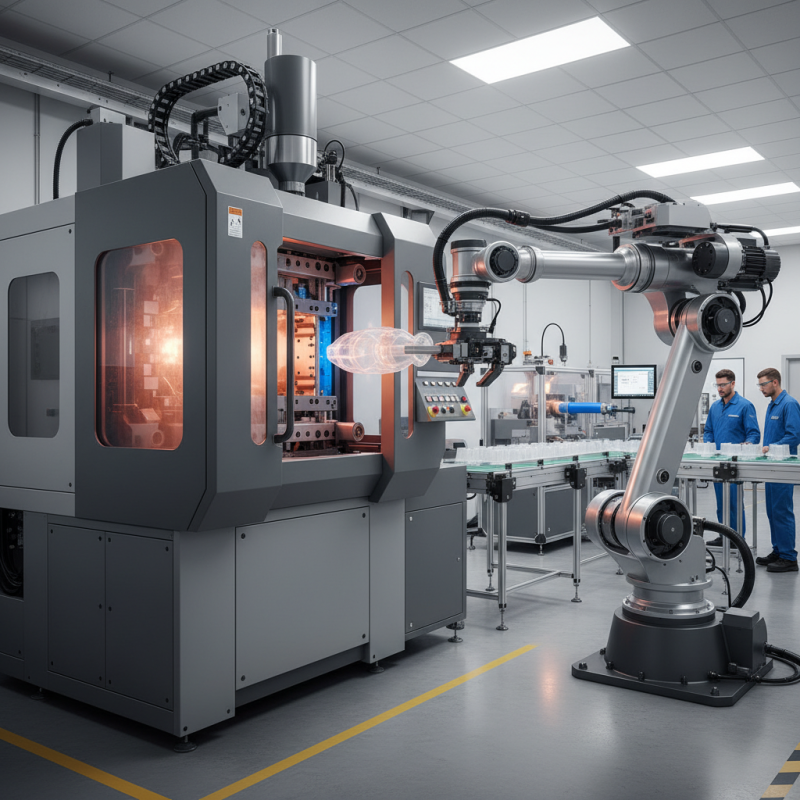
Understanding Injection Molding Machines and Robotics Integration
Understanding the integration of injection molding machines and robotics is essential for optimizing production. Injection molding is a process that shapes materials into desired forms. When combined with robotics, it increases efficiency and precision. Robots can handle tasks like part removal and quality inspection. This automation reduces human error and speeds up production cycles.
However, the integration is not without its challenges. Programmers may struggle with robotic programming, leading to inefficiencies. Operators need training to synchronize their actions with robotic systems. The technology itself can be complex. Proper troubleshooting skills are crucial. Without them, production can stall. Observing how robots interact with the molding process is vital. Small adjustments can lead to significant improvements.
Furthermore, understanding safety protocols is critical. Both machines and robots must operate in safe conditions. Even minor oversights can cause accidents. Production teams should often evaluate their practices. Reflecting on their integration methods can lead to better safety and efficiency. The world of injection molding and robotics is evolving. Continuous learning and adaptation are key to staying ahead.
Key Safety Considerations When Operating Injection Molding Machines
When operating injection molding machines, safety should always come first. Statistics show that improper machine handling leads to over 30% of workplace injuries in manufacturing. A common hazard is entanglement. Workers can get caught in moving parts, leading to serious injuries. Proper safety guards and emergency stops must be in place to mitigate these risks.
Another key safety consideration is the handling of materials. Many resins used in injection molding emit hazardous fumes when heated. It's essential to invest in adequate ventilation systems. According to safety reports, poor air quality can lead to respiratory problems over time. Operators should wear appropriate personal protective equipment (PPE) to minimize exposure.
Operator training is crucial. Many accidents occur because of inadequate knowledge of the machine's features. According to recent industry studies, ongoing training can reduce accidents by over 25%. Regular safety drills should be conducted. It ensures that employees understand emergency procedures. Mistakes can happen, and being prepared is vital for creating a safer workplace.
Optimal Setup for Robotic Operations in Injection Molding Processes
Optimizing your injection molding setup with robotics can significantly enhance efficiency. According to industry reports, integrating robots can boost production rates by 20% to 30%. Proper alignment and calibration of the robotic arms are crucial for seamless operations. A misaligned robot can lead to defects in finished products, costing both time and resources.
When setting up your injection molding machine, consider the workspace layout. Ensure the robots have a clear path to access materials and finished products. Avoid clutter in the work area. This simple step can reduce the risk of accidents and increase operational efficiency. Regular training for operators is essential; it helps mitigate mistakes that arise from improper handling of robotic systems.
Monitor the cycle times closely. If the robots are not synchronized with the molding machine, delays will occur. Adjusting the timing can save significant amounts of energy and materials. Data from recent studies shows that effective synchronization can cut down energy usage by as much as 15%. Automation is a game changer, but remember, implementing it requires constant evaluation and adjustment for peak performance.
Top 10 Tips for Using Injection Molding Machine With Robot
Tips for Maintenance and Troubleshooting of Combined Systems
Maintaining an injection molding machine combined with a robot requires attention and detail. Regularly check for wear on moving parts. Lubrication is key to smooth operation. A squeaky joint often signals that maintenance is overdue. Pay special attention to robotic arms. They handle heavy loads and need to move freely.
When troubleshooting, look for signs of error. Warning lights might flash. Listen for unusual sounds while the machine operates. If the movements seem sluggish, it’s time for an inspection. Check the cables and sensors for any loose connections. A small disconnection can cause a larger issue.
Another tip is to keep a log of maintenance performed. This record helps track patterns over time. It can point out recurring problems. If you notice frequent issues with the same component, consider a more thorough inspection. Reflecting on past repairs can highlight gaps in the maintenance routine. Understanding these details is crucial for optimizing system performance.
Top 10 Tips for Using Injection Molding Machine With Robot
| Tip Number | Tip Title | Description |
| 1 | Regular Maintenance | Perform routine maintenance checks on both the machine and the robot to ensure optimal performance. |
| 2 | Proper Calibration | Ensure that both systems are calibrated according to manufacturing specifications to avoid errors. |
| 3 | Optimize Cycle Times | Adjust settings to find the balance between speed and quality output. |
| 4 | Safety Protocols | Implement and follow safety protocols to protect operators while working with combined systems. |
| 5 | Quality Control | Establish quality control measures to monitor defects in the final product. |
| 6 | Understand Compatibility | Confirm that the injection molding machine is compatible with the robot's interface and functionality. |
| 7 | Employee Training | Train staff on the proper operation of both systems to ensure efficient usage and minimize risks. |
| 8 | Monitor Energy Use | Analyze energy consumption to optimize processes and reduce costs. |
| 9 | Troubleshooting Common Issues | Identify common problems and their solutions to minimize downtime during operations. |
| 10 | Upgrade Technology | Regularly check for software and hardware upgrades to remain on par with technological advances. |
Enhancing Efficiency through Programming and Automation Techniques
Using automation in injection molding can significantly enhance efficiency. Robots can perform tasks faster and more accurately than human operators. Programming these machines properly is crucial. It ensures that they interact seamlessly with the injection molding process.
One aspect to consider is the layout of the workspace. A well-planned arrangement minimizes movement, saving time. Connectivity between the robot and the molding machine is vital. Without it, miscommunication can occur, leading to defects. Regularly evaluating the programming parameters can make a substantial difference. Small adjustments can optimize cycle times and reduce waste.
It's not always straightforward. Unexpected issues may arise. Sometimes, the robot might not grasp the parts as intended. This calls for ongoing training and refining of programming skills. Ensuring the team understands robotic capabilities is essential for maximizing productivity. Without this knowledge, the potential of automation might not be fully realized.