Top 10 Disposable Food Container Mold Prevention Tips?
Disposable food containers play a crucial role in food safety and convenience. However, one worrying issue is Disposable Food Container Mold. This type of mold can spoil food, leading to health risks. Studies show that over 20% of foodborne illnesses are linked to mold contamination.
Many consumers notice mold growth when storing leftovers in these containers. Even the most meticulous individuals can fall victim to this problem. Mold thrives in damp, organic environments. Therefore, improper cleaning and storage techniques can exacerbate the issue. For instance, using wet containers can promote mold growth, which is often overlooked.
Inadequate awareness about mold prevention can lead to serious consequences. A survey reveals that nearly 30% of people do not know how to properly maintain their storage containers. Increased education on the best practices for preventing Disposable Food Container Mold is essential. It can significantly enhance food safety and overall confidence in food storage solutions.
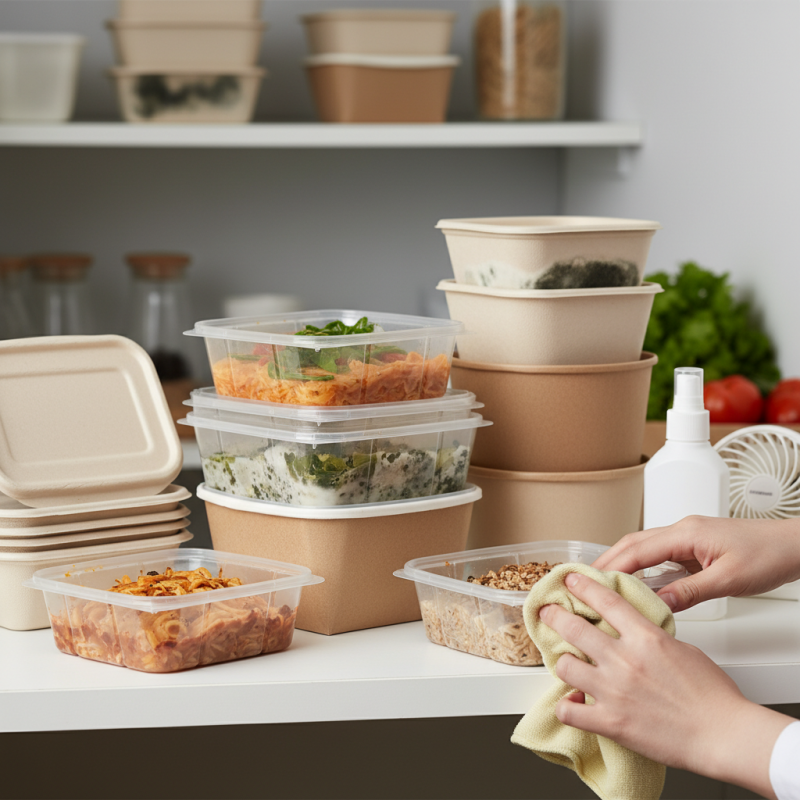
Understanding Mold Growth in Disposable Food Containers
Mold growth in disposable food containers is a pressing concern. According to a study by the Food Safety and Inspection Service, around 48 million people get sick from foodborne diseases each year in the U.S. Mold thrives in warm, humid environments, making these containers vulnerable. In fact, research shows that moisture levels above 70% often lead to mold development.
When food is stored improperly, mold can develop rapidly. Foods like bread and dairy are particularly susceptible. A significant percentage of food waste occurs due to mold, leading to economic losses of about $162 billion annually. Educating consumers on proper storage techniques can mitigate these issues. Avoiding overcrowding in containers helps ensure air circulation, reducing moisture buildup.
Plastic containers can be a breeding ground for mold if not cleaned correctly. Residue left from previous meals can provide nutrients for mold growth. It is crucial to wash containers regularly and inspect them for any signs of mold. Over time, some containers may wear down, making them less effective against mold. Simple changes in storage habits can significantly reduce mold risks.
Top 10 Disposable Food Container Mold Prevention Tips
| Tip # | Tip Description | Effectiveness (1-5) | Implementation Ease (1-5) |
| 1 | Keep the containers dry before use. | 5 | 5 |
| 2 | Store in a cool, dark place. | 4 | 4 |
| 3 | Avoid storing food in the container for long periods. | 5 | 3 |
| 4 | Use containers made from non-porous materials. | 4 | 4 |
| 5 | Ensure proper sealing of containers. | 5 | 5 |
| 6 | Regularly clean the storage area. | 4 | 3 |
| 7 | Use labels to monitor freshness. | 3 | 4 |
| 8 | Consider biodegradable options. | 3 | 4 |
| 9 | Use vinegar solution to clean containers. | 5 | 4 |
| 10 | Check for any signs of damage before use. | 5 | 5 |
Choosing the Right Materials for Mold Prevention
Choosing the right materials for disposable food containers is crucial for mold prevention. Certain plastics, like polyethylene and polypropylene, have natural resistance to moisture. These materials can help keep food fresher for longer periods, reducing the chance of mold growth. Containers made from these materials can be a better choice if you're looking to minimize mold risks.
It’s important to consider the type of lids used with containers as well. Tight-fitting lids can prevent air from entering, which reduces moisture. However, not all lids create a perfect seal. Some gaps can trap moisture, fostering mold development. Regular checks on the integrity of lids can help improve the overall effectiveness of your food storage.
Using multi-layer packaging can also aid in mold prevention. Multi-layer designs generally offer better barrier properties against humidity and contaminants. Still, this can make recycling more challenging, prompting a need for careful consideration. Reflecting on the balance between convenience and environmental impact is essential when selecting materials.
Top 10 Disposable Food Container Mold Prevention Tips
Best Practices for Cleaning and Sanitizing Food Containers
Maintaining cleanliness in food containers is essential for safety. Before using any container, wash it with hot, soapy water. This step removes residue and potential pathogens. Scrub all surfaces, including lids and corners, to ensure thorough cleaning. Rinse with hot water to eliminate soap traces.
Sanitizing comes after cleaning. Use a solution of diluted bleach or vinegar for effective sanitization. Soak containers for a few minutes. Pay special attention to areas that can trap moisture. Dry thoroughly with a clean towel. Air drying might leave some damp areas, which is not ideal.
Storage also plays a vital role. Stack containers to save space, but ensure they’re completely dry to prevent mold growth. Inspect regularly for any signs of mold or odors. If any container appears discolored or smells off, it’s time to dispose of it. Regularly reviewing your cleaning habits can help identify patterns that need improvement.
Proper Storage Techniques to Avoid Mold Contamination
Mold can be a serious issue when it comes to disposable food containers. Proper storage techniques play a crucial role in preventing contamination. One effective way is to ensure your containers are completely dry before storing them. Excess moisture can lead to mold growth, so take the time to wipe them down after cleaning.
When stacking containers, use dividers or paper towels. This simple step allows air to circulate and reduces moisture build-up. Pay attention to the storage location as well. Keep your containers in a cool, dry place, away from humidity. A well-ventilated cabinet can make a significant difference.
Regularly check your containers for signs of mold. If you notice any discoloration or an odd smell, it’s time to dispose of them. Consider using clear containers to easily see any potential issues. Remember, while preventing mold is crucial, so is being vigilant about the condition of your storage materials.
Monitoring and Managing Food Storage Conditions
Managing food storage conditions can significantly reduce mold growth in disposable food containers. Temperature control is essential. Keep items below 40°F to slow down mold development. Even slight increases in temperature can encourage mold growth. Always use a thermometer to monitor temperature accurately.
Humidity levels also play a crucial role. Choose dry storage areas for disposable containers. Excess moisture fosters mold growth. Check for leaks in storage areas. If possible, use desiccants to absorb humidity. Proper ventilation can make a difference as well. Stale air can trap moisture and promote mold.
Regularly inspect storage units. Look for any signs of mold. If detected, act quickly. Mold can spread rapidly in warm conditions. It's easy to overlook small issues until they grow. Consider using transparent containers for easy visibility. This allows for frequent monitoring. Awareness is key to effective mold prevention.