Ultimate Guide to Plastic Injection Mold Tips for Beginners?
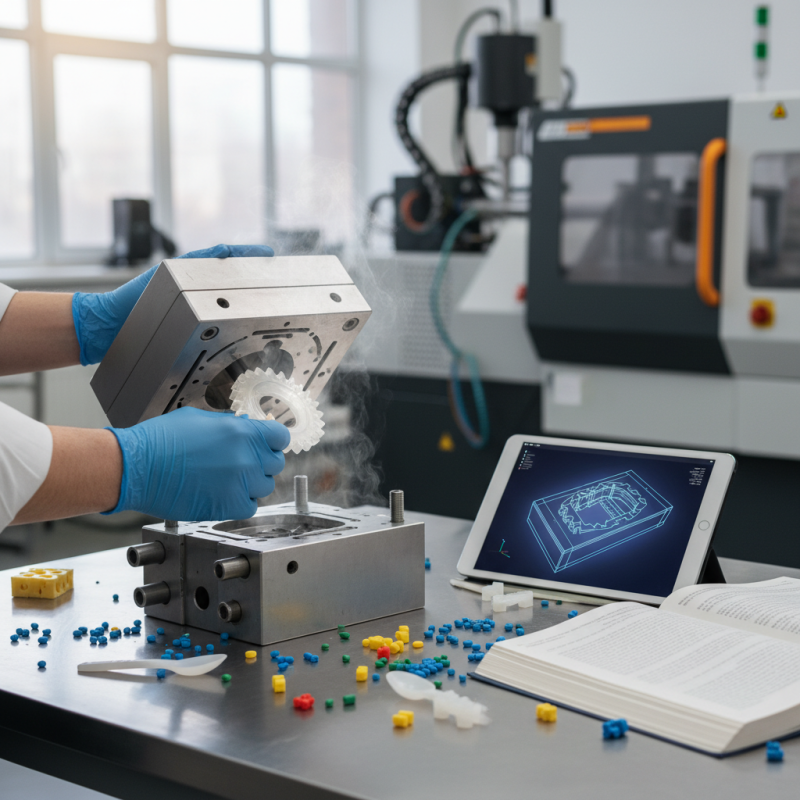
Plastic Injection Molds play a critical role in manufacturing. They help create various products, from household items to intricate components. For beginners, understanding the nuances of this process is essential.
Many new users experience challenges when diving into plastic injection molding. Common issues include difficulties in design and material selection. Mistakes can lead to wasted resources and frustration. Learning from these challenges is part of the journey, though.
Embracing the learning curve is crucial. Each project is an opportunity to refine skills and improve the final outcome. With practice, beginners can master the art of working with plastic injection molds, leading to better results and increased confidence.
Understanding the Basics of Plastic Injection Molding for Beginners
Plastic injection molding is a fascinating process. It allows for the creation of complex shapes. Many beginners find it intimidating at first. However, understanding the basics can ease this fear.
The process begins with melting plastic pellets. These are then injected into a mold. The mold cools and hardens, forming the final product. Timing is crucial, and small errors can lead to defects. For beginners, start with simple designs. Complicated shapes often pose unforeseen challenges.
It's also important to consider the type of plastic. Different materials have unique properties. Some may warp, while others may not hold detail well. Trial and error is part of the learning process. Paper notes or logs may help track what works and what doesn’t. Reflection on each project will enhance skills over time. Starting small and documenting experiences can build confidence.
Ultimate Guide to Plastic Injection Mold Tips for Beginners
| Tip Category | Tip Description | Importance Level |
| Material Selection | Choose the right plastic type based on the application's requirements. | High |
| Mold Design | Ensure mold design accommodates material flow and heat transfer. | High |
| Temperature Control | Proper control of temperature is critical for molding success. | Medium |
| Injection Speed | Adjust injection speed to optimize fill and reduce defects. | Medium |
| Cooling Time | Adequate cooling time prevents deformation and warping. | High |
| Regular Maintenance | Routine maintenance keeps molds in good working condition. | High |
| Trial Runs | Conduct trial runs to identify potential issues before mass production. | Medium |
Key Components of a Plastic Injection Mold and Their Functions
In the world of plastic injection molding, understanding the key components is crucial. The mold itself consists of two primary parts: the mold cavity and the mold core. The cavity forms the outer shape of the molded item, while the core shapes the inner features. Effective designs reduce material waste. A study by the Society of Plastics Engineers indicates that poor design can lead to a 30% increase in scrap rates.
Cooling channels are essential for temperature control. These channels maintain the right temperature during the injection process. If not designed properly, cooling can be uneven, causing warping. Thermal analysis tools can predict potential hot spots, but they are often underused. The American Mold Builders Association suggests that proper cooling design can improve cycle times by up to 25%.
Ejection systems are another critical aspect. They release completed parts from the mold. An insufficient ejection mechanism can result in part damage and increased downtime. Industry reports show that 15% of mold failures stem from ejection issues. Continuous learning and testing are necessary for optimal performance in injection molding. Mistakes in any component can lead to inefficiency and increased costs. Understanding these key elements can pave the way for more effective production practices.
Essential Tips for Designing Effective Injection Molds
Designing effective injection molds requires a clear understanding of both the process and the materials involved. Start by focusing on the part geometry. Keep it simple. Complex shapes can lead to issues during molding. Avoid deep undercuts, as they complicate the mold design. Use fillets instead of sharp corners to enhance strength and reduce stress concentrations.
Consider the material flow. Good flow ensures a quality finish. Thinner walls may seem attractive, but they can create weak spots. Ensure adequate thickness to maintain durability. Pay attention to the draft angles. A slight slope makes it easier to eject parts from the mold.
Test your designs. Prototyping can reveal flaws in your initial concepts. Adjust as needed before finalizing. Regularly review your process for improvements. Every design is a learning opportunity, and reflection is crucial. Not every design will work perfectly on the first try, and that's okay. Embrace the trial-and-error aspect of injection molding to refine your skills.
Step-by-Step Process of Plastic Injection Molding
Plastic injection molding is a widely used manufacturing technique for creating parts. This process involves injecting molten plastic into a mold. The industry has seen significant growth, with a projected market size of over $300 billion by 2027, according to recent reports.
The step-by-step process begins with mold design. The design should allow easy extraction of parts. Once the mold is ready, plastic pellets are heated until they melt. This molten plastic is then injected into the mold cavity at high pressure. Cooling follows, where the part solidifies. However, cooling times can vary. Inconsistent cooling may lead to defects such as warping or incomplete filling.
After cooling, the mold opens, and the part is ejected. The initial iterations may not always meet expectations. It’s common to face challenges with dimensions or surface finishes. Testing and adjustments are crucial to improving quality. Maintaining consistency in the process can significantly affect production rates. Understanding these elements is vital for beginners entering the field.
Common Mistakes to Avoid in Plastic Injection Molding for Newcomers
Plastic injection molding can be daunting for newcomers. Many make critical errors that can spoil their projects. One common mistake is overlooking the importance of mold design. A poorly designed mold can lead to defects in the final product. Ensure that your design accounts for factors like cooling time and material flow. Skipping these details can result in wasted materials and time.
Another frequent issue is not properly choosing materials. Different plastics react differently during the injection process. Newbies often assume all materials behave the same way. This can lead to unexpected shrinkage or warping. Additionally, neglecting to maintain equipment can result in inconsistent results. Regular checks on temperature and pressure settings are vital. A small oversight here can create major problems down the line.
Finally, rushing through the testing phase can be disastrous. It’s tempting to move quickly to production. However, this can lead to overlooking critical flaws. Testing prototypes thoroughly before mass production helps identify potential issues. Patience in this stage can save both time and resources in the long run. Taking the time to reflect on these common pitfalls can lead to a more successful molding process.